
Disclosure: As an Amazon Associate, I earn from qualifying purchases. This means when you purchase through links on this page, I may earn a small commission at no extra cost to you.
THINKCAR ThinkScan 689 Review 2026
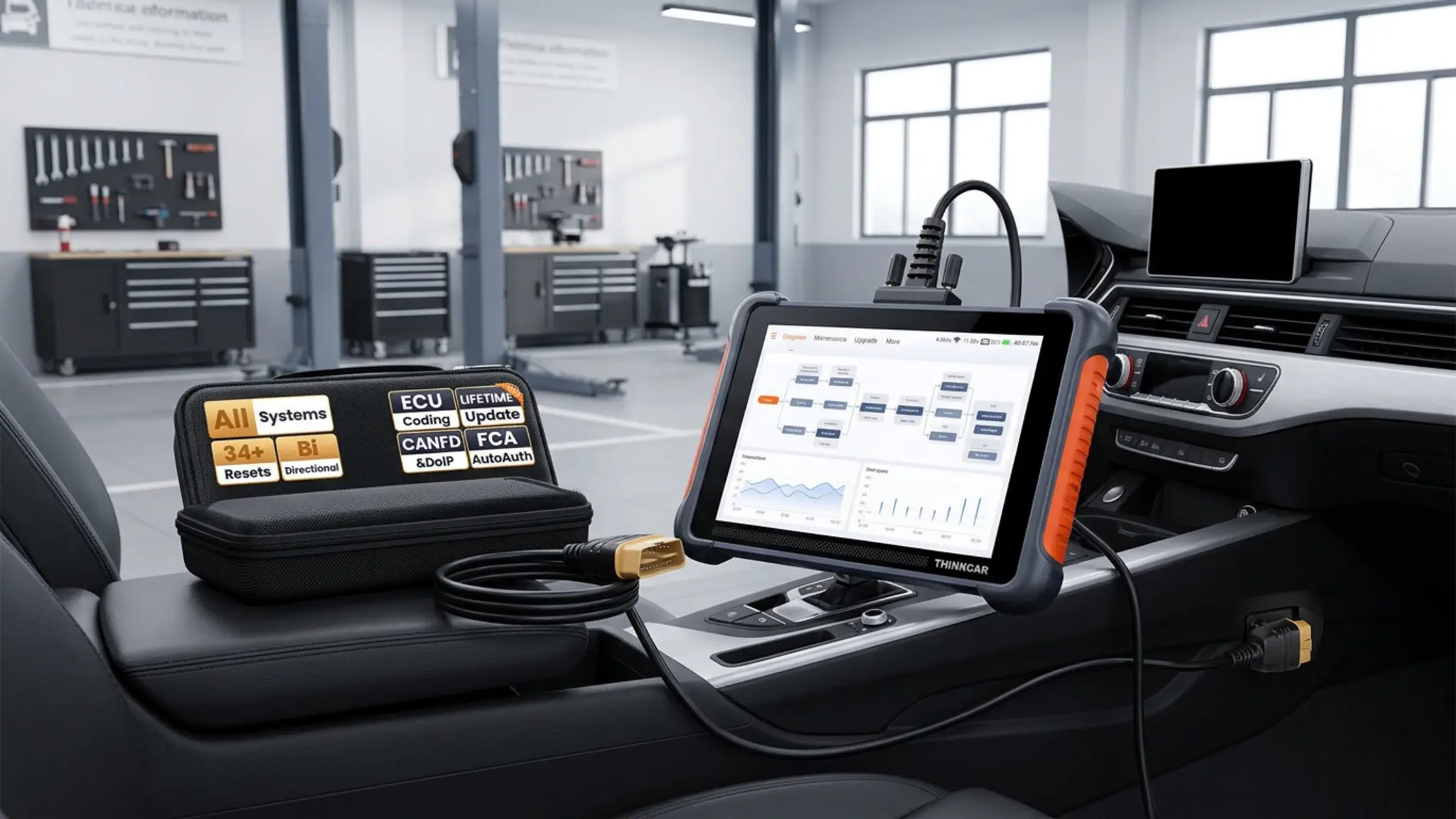
The THINKCAR ThinkScan 689 enters the 2026 diagnostic market as a mid-tier, wired OBD2 scanner offering advanced functions typically reserved for higher-priced subscription models. According to the manufacturer’s listed specifications, this Android 10-based tool supports full system diagnostics, bidirectional active tests, and ECU coding across more than 140 vehicle brands. It aims to reduce long-term ownership costs for independent mechanics and advanced DIYers by providing lifetime free software updates without mandatory annual renewal fees.
Table of Contents
Key Features
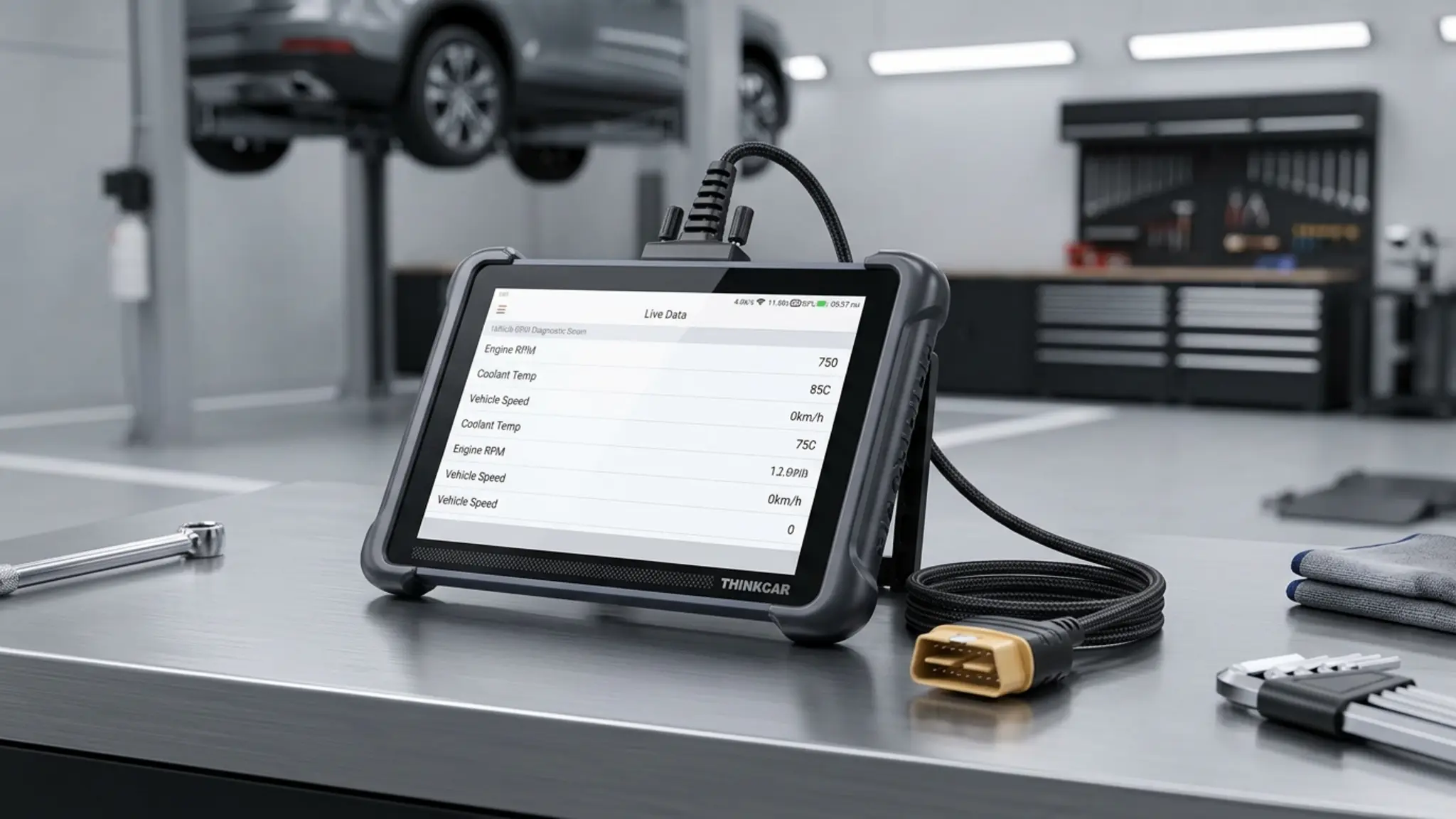
The listed specifications indicate that the THINKCAR ThinkScan 689 is built on an Android 10 platform powered by a 4-core processor and 64GB of internal memory. Aggregate Amazon metadata shows a 4.2 out of 5 average rating from 338 total ratings, reflecting its reception in the current market. The tool is designed to provide comprehensive diagnostic coverage, including reading and clearing DTCs, viewing live data, and performing ECU coding for component matching and power balance testing.
One of the most notable features is its support for over 3,000 real active tests, allowing technicians to command vehicle systems like radiator fans, windows, and solenoids directly from the screen. The manufacturer also lists 34+ specific reset services, ranging from standard oil and brake resets to more complex ABS bleeding and injector coding. Below is a breakdown of the core specifications based on the supplied product data.
| Specification | Details |
|---|---|
| Operating System | Android 10 (4-core processor) |
| Memory / Battery | 64GB / 4150mAh |
| Service Resets | 34+ (including ABS Bleed, SAS, EPB, DPF) |
| Active Tests | 3000+ Bi-directional Controls |
| Network Protocols | CAN FD, DoIP Supported |
| Updates | Lifetime Free Updates |
Setup, Compatibility and Ownership
The manufacturer recommends a 30-minute initial charge via the included Type-C cable before attempting first-time setup and registration. Buyers should note that while the tool supports FCA AutoAuth for 2018 and newer Chrysler, Dodge, Jeep, and Fiat vehicles, accessing this secure gateway requires a separate third-party paid account. The scanner operates via a wired OBD2 connection, meaning users will need to work within the physical limits of the cable length inside the vehicle cabin.
Because diagnostic capabilities vary heavily by vehicle make and year, the manufacturer advises emailing your 17-digit VIN to their support team to confirm specific ECU coding or reset compatibility before purchase. Safety Note: When using the bidirectional controls to actuate moving parts like radiator fans, door locks, or windows, always ensure hands, clothing, and shop tools are clear of the mechanisms to prevent injury.
How It Compares
When comparing diagnostic tools, buyers must weigh the physical connection style against their daily shop workflow. Users who prefer not being tethered to the steering column might consider the wireless THINKCAR THINKSCAN 689BT alternative, which offers a similar feature set but uses a Bluetooth VCI. The standard 689, however, stands out in its price bracket by including CAN FD and DoIP protocols natively without requiring extra adapters.
If your budget is tighter and you do not require the full suite of advanced coding, reading our THINKCAR Thinkscan 672 review may reveal more cost-effective options. Alternatively, exploring the THINKCAR ThinkScan 662 model provides another wired baseline for comparison. The 689 remains the stronger choice for those needing V.A.G Guided functions, PMI programming, and deep module access.
Who Should Buy It?
This scanner is ideally suited for independent mechanics, mobile technicians, and advanced DIYers who need dealer-level bidirectional controls without the burden of annual subscription fees. The inclusion of native CAN FD and DoIP makes it highly relevant for modern fleet maintenance. Its robust 34+ reset functions cover the vast majority of routine maintenance tasks encountered in a busy garage.
Conversely, buyers who require complete mobility around the vehicle should skip this wired unit in favor of a Bluetooth-enabled alternative. Additionally, professionals needing specialized J2534 pass-through programming for deep ECU flashing will need to look at higher-tier, specialized equipment, as this tool focuses primarily on coding, matching, and active testing.
Frequently Asked Questions
Does the THINKCAR ThinkScan 689 require an annual subscription?
The listed specifications state the device comes with lifetime free software updates for its diagnostic and reset functions. However, accessing the FCA AutoAuth gateway for recent Chrysler vehicles requires a separate third-party paid subscription.
What kind of bidirectional tests can this scanner perform?
The manufacturer lists over 3,000 active tests, allowing users to command components directly. Examples include modulating the throttle, turning on the radiator fan, testing door lock actuators, and performing an injector buzz test.
Does this tool support CAN FD and DoIP protocols?
Yes, the product details indicate that it supports both CAN FD and DoIP natively. This allows it to communicate with newer vehicle networks without needing a specialized external adapter.
Can I use this scanner to program new keys?
The device includes an IMMO reset function in its 34+ service options, which can handle basic key matching on certain older vehicles. For complex immobilizer systems on modern cars, buyers should confirm compatibility with the manufacturer before purchasing.
How do I know if my specific vehicle is fully supported?
Coverage varies significantly by the vehicle’s make, model, and year. The manufacturer advises emailing your 17-digit VIN to their support team to verify that the required ECU coding or reset functions will work on your car.
Final Verdict: The THINKCAR ThinkScan 689 presents a compelling value for the 2026 diagnostic market, particularly for independent mechanics seeking advanced capabilities without recurring software fees. With robust bidirectional controls, native CAN FD/DoIP support, and extensive reset functions, it handles most daily shop tasks efficiently. Buyers who require a wireless connection or heavy-duty commercial programming should explore other options, but for a reliable, wired diagnostic tool, this unit is a strong contender.